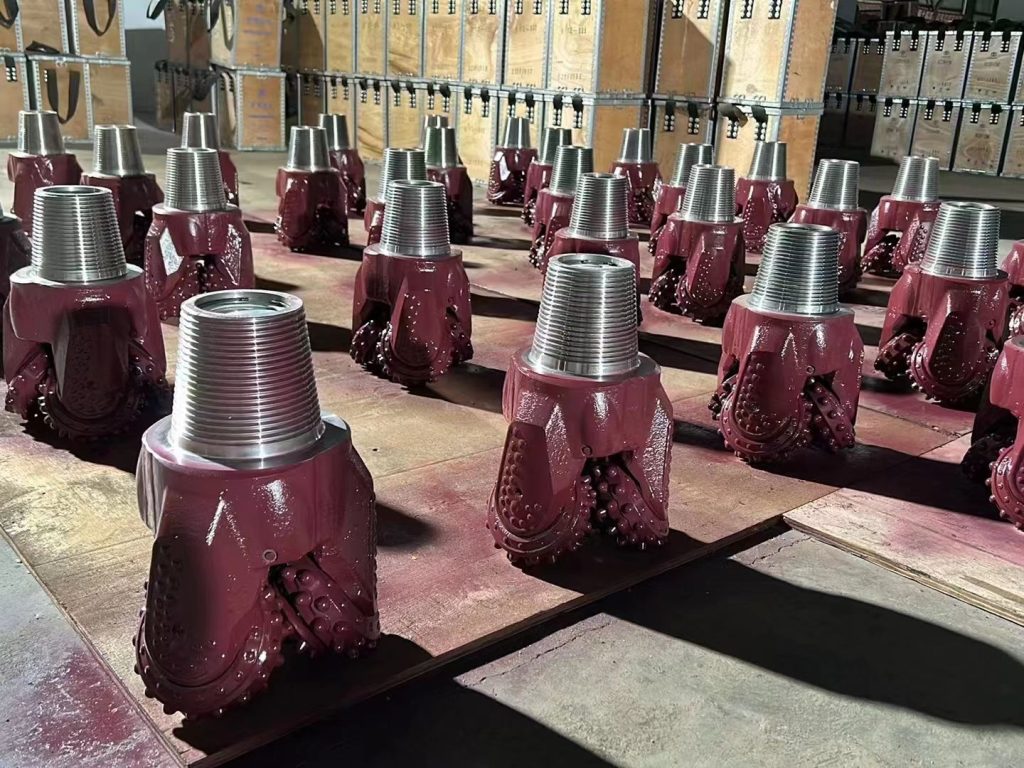

The success and cost-effectiveness of drilling hinge on matching the rig and bit to the rock type. Here is a selection strategy for the three main rock classes.
Core Selection Principle:
The choice depends on the rock’s hardness and abrasiveness, not just its name. However, the three classes have general characteristics.
| Rock Type | Common Examples | Key Properties | Recommended Rig Type | Recommended Bit Type | Rationale & Considerations |
|---|---|---|---|---|---|
| Sedimentary | Limestone, Shale, Sandstone, Chalk | Generally soft to medium-hard, but variable. Sandstone can be extremely abrasive. | Top Hammer Rigs, Rotary Drills, Tricone Rigs (for large diameter). | Cross Bits, Button Bits (Top Hammer). Tricone Bits (Rotary). PDC Bits (for soft, quartz-free rock). | Sedimentary rocks are generally soft, allowing fast penetration. The key challenge is sandstone: its high quartz content is highly abrasive, necessitating highly wear-resistant button bits. Shale can cause bit-balling; ensure good cuttings removal. |
| Igneous | Granite, Basalt, Andesite | Very hard, highly abrasive, high compressive strength. | DTH Hammers Rigs (Preferred), High-Pressure Top Hammer Rigs. | Button DTH Hammer Bits (must be designed for hard rock), Heavy-Duty Button Top Hammer Bits. | DTH hammers deliver high impact energy directly behind the bit, minimizing energy loss, making them the most efficient method for fracturing very hard rock. Requires high-alloy, high-quality bits to resist wear and impact. |
| Metamorphic | Quartzite, Gneiss, Marble | Extremely hard and abrasive (e.g., Quartzite). Marble is medium-hard. | DTH Hammer Rigs (for quartzite, gneiss). Top Hammer Rigs (for marble). | Specialized Abrasion-Resistant Button DTH Bits (for quartzite, gneiss). Button Bits or PDC Bits (for marble). | Metamorphic rocks pose the greatest challenge. Quartzite is nearly pure quartz, the “kryptonite” of drill bits, requiring top-tier, wear-resistant bits. Marble, metamorphosed from limestone, is usually easier to drill than igneous rock. |
Summary & Practical Advice:
- Analyze Rock First: Always conduct rock identification or consult regional geological reports before selecting equipment. Sandstone (sedimentary) and quartzite (metamorphic) can be more abrasive than some granites (igneous).
- Match the System: The rig type dictates the available bits. Ensure the bit’s connection type (e.g., API, REG threads) is fully compatible with the rig/hammer.
- Calculate Cost: Don’t just look at the bit price. Calculate the Cost-Per-Meter (Bit Cost / Total Meters Drilled). A more expensive, longer-lasting bit often has a lower total cost in hard rock.
- Consult Experts: Share your rock samples and working conditions with bit suppliers (e.g., Hubei Xinlonggang Engineering Machinery Co., Ltd.) for the most professional model recommendations.