
How to Choose the Right Rock Drilling Bit (with Kazakhstan Case Study)?
Choosing the right rock drilling bit is crucial for both productivity and operating cost.
Different rock formations require different button shapes, flushing structures and steel body treatments. Using the wrong bit leads to fast wear, button breakage, slow penetration rate and frequent jamming.
Recently, XLG completed a field project in Almaty, Kazakhstan — a perfect example of how proper bit selection can drastically improve performance.
1. How to Choose the Right Bit
Choose button shape based on hardness
Hard rock (granite, quartzite): spherical buttons
→ Highest durability
Medium-hard rock (limestone, sandstone): semi-ballistic or ballistic
→ Faster penetration
Consider rock abrasiveness and fractures
Fractured formations → reinforced outer-row design
Highly abrasive formations → stronger steel body + deep flushing channels
Match with the correct drill rod system
Kazakhstan commonly uses T45 with Sandvik DX-series rigs.
2. XLG’s Real Case in Kazakhstan
In 2024, a granite quarry near Almaty invited XLG to solve a long-standing issue:
“Bits wear too fast, and deep-hole jamming happens every day.”
Rock conditions
Granite containing quartz veins (Mohs 7–7.5), highly abrasive and fractured.
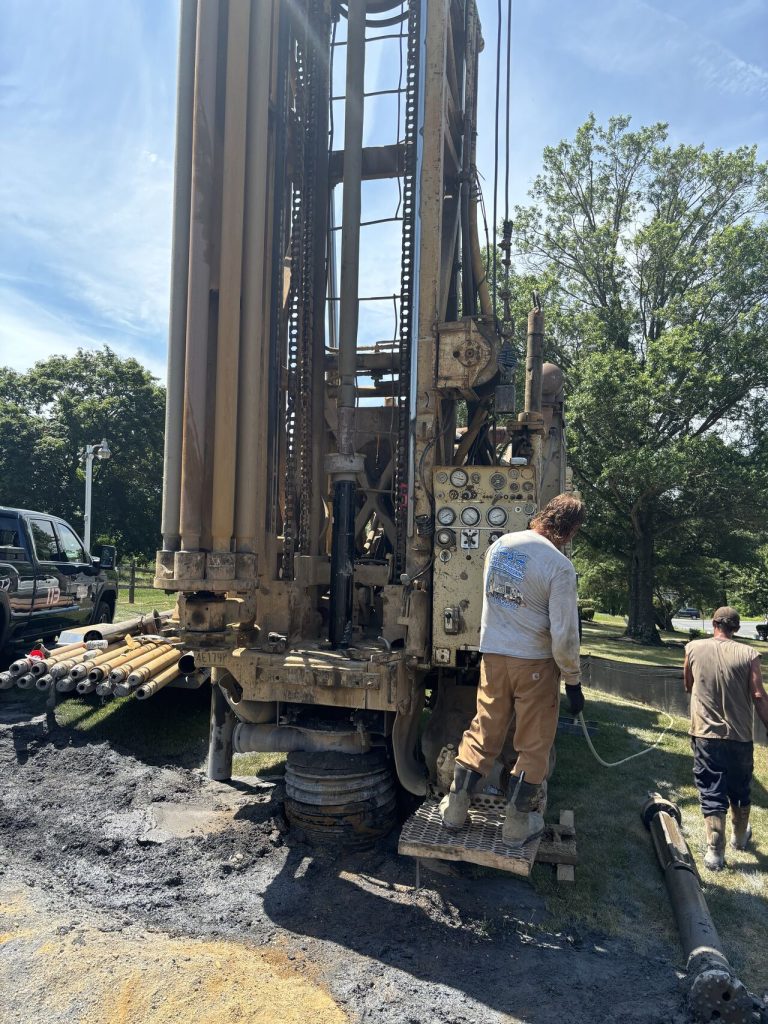
Rig: Sandvik DX700
Rod system: T45
Hole depth: 12–18 m
3. Problems with Previous Bits
The quarry used another international brand, but experienced:
Short bit life around 80–100 m
Frequent button breakage
Poor flushing causing daily jamming
High drilling cost per meter
Quartz-rich layers caused extremely fast wear.
4. XLG’s Customized Solution
XLG supplied the T45 Retrac Button Bit – Granite Edition, designed specifically for this formation.
Key improvements:
Large spherical buttons for maximum wear resistance
Reinforced gauge row
Deep flushing grooves improving chip removal
Heat-treated steel body to resist cracking
5. Field Results (Narrative Form)
During the first day of testing, the bit drilled over 70 meters with significantly less wear than their old bit at 40 meters.
After the second day, the accumulated drilling length reached around 150 meters with no severe button loss and no deep-hole jamming.
Overall improvement:
Bit life increased from about 80–100 m to 150–180 m
Button failure drastically reduced
Deep-hole jamming almost eliminated
Drilling cost per meter reduced by over 20%
The quarry supervisor said:
“The XLG bit lasts nearly twice as long as the one we used before. It’s perfect for our granite.”
Conclusion
The right bit selection depends on:
Rock type
Hardness and abrasiveness
Button shape
Flushing design
Steel body strength
Proper thread system
XLG provides on-site evaluation and customized bit solutions to ensure the best drilling performance in any formation.